
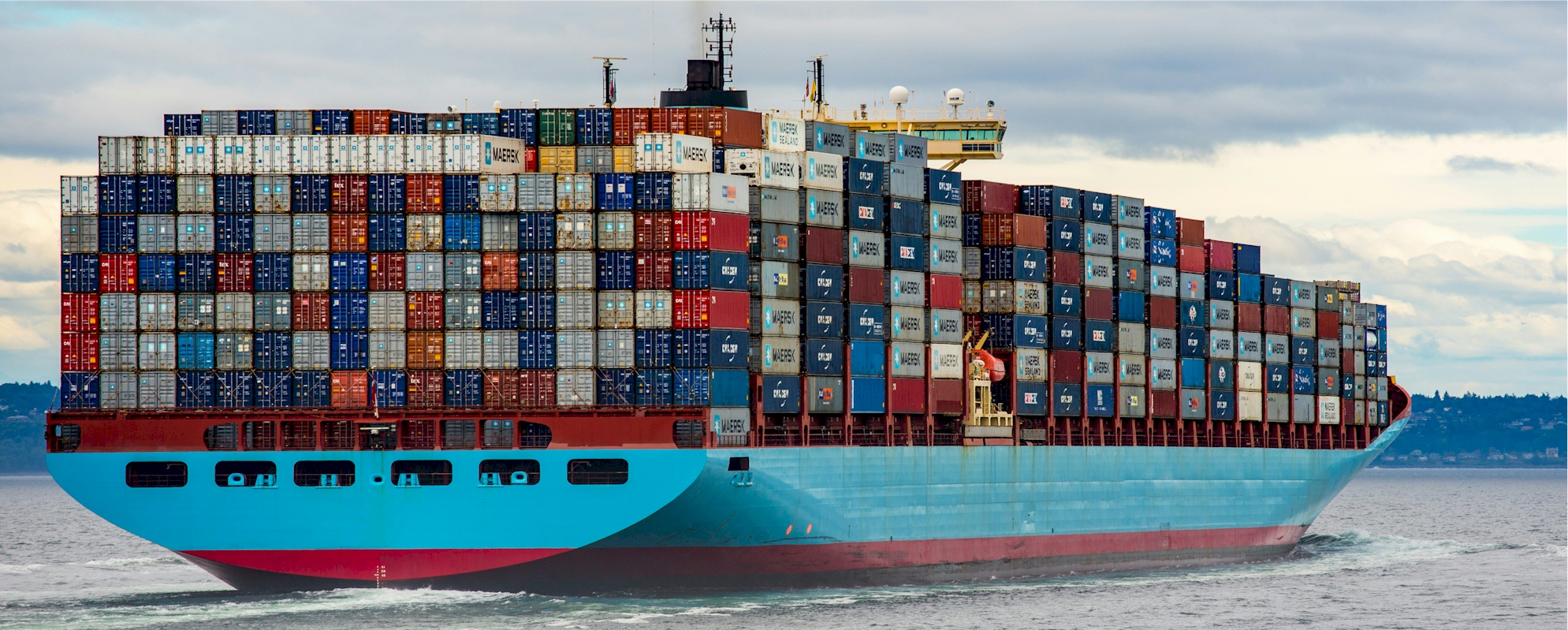
The U.S. raised flooring industry—long dependent on global supply chains for steel, aluminum, and specialized floor system components—continues to feel the impact of ongoing Chinese tariff fluctuations. For importers and distributors, including those supplying raised flooring, access flooring systems, and Tate floor compatible components, tariffs have become a moving target—unpredictable, volatile, and capable of dramatically shifting pricing mid-shipment.
In this article, we’ll explore how U.S. tariff policy has evolved, why raised floor suppliers face unprecedented uncertainty, and how overlapping trade measures—ranging from traditional steel and aluminum duties to “fentanyl-related” sanctions and reciprocal Chinese responses—have reshaped the cost landscape for raised floor systems in America.
The U.S.–China Tariff Landscape: A Constantly Moving Target
Over the past several years, the U.S. government has imposed multiple waves of tariffs on imported goods from China, targeting materials integral to the raised flooring market—especially steel and aluminum. For raised floor system importers, the challenge is not merely higher costs, but the complete unpredictability of when and how these rates change.
Many importers have seen their landed costs double in the middle of transit. One recent shipment might begin with a 25% duty rate, only to have an additional 25% surcharge imposed halfway through, effectively jumping to 50% before the shipment clears customs. In some cases, total tariffs have reached as high as 71% or even 81%, depending on overlapping classifications and administrative rulings.
This level of uncertainty is virtually unheard of in the raised flooring industry, where project bids, design submittals, and purchase orders often stretch across months or even quarters. Contractors and specifiers working with Access Flooring Systems are accustomed to stable pricing for materials like concrete-filled steel panels, aluminum stringers, and pedestal assemblies. Now, that stability has been replaced with daily risk management and constant reevaluation of shipping schedules and supplier origin.
Steel and Aluminum: The Core Materials Affected
Raised floor systems rely heavily on steel and aluminum—the very materials most impacted by U.S. trade measures. These metals form the backbone of several key components:
-
Steel panels: Common in systems such as Tate ConCore, ASM FS-600, and other concrete-filled steel platforms.
-
Aluminum stringers and trims: Used to support the access floor grid and create lightweight, corrosion-resistant frameworks.
-
Pedestal assemblies: Containing steel bases, threaded rods, and aluminum heads, all subject to varying tariff codes.
Even minor fluctuations in tariff percentages can dramatically change pricing. For example, a 24″ x 24″ concrete-filled steel panel weighing 30–35 lbs can represent significant raw-material exposure when multiplied across 10,000–20,000 panels per project.
For contractors, these are not small variances—they can shift total project costs by hundreds of thousands of dollars overnight. And because many access floor projects are awarded months in advance, importers often end up absorbing the difference or renegotiating pricing mid-project.
The Overlapping Causes of Tariff Instability
The unpredictable nature of raised floor import tariffs stems from three overlapping trade categories that together create a constantly shifting pricing environment.
1. Additional Duties on Steel and Aluminum Imports from China
The foundation of today’s tariff structure dates back to Section 301 and Section 232 trade actions, which imposed broad duties on Chinese steel and aluminum to counter alleged dumping and unfair subsidies.
Under these rules, raised floor components containing more than a certain percentage of Chinese-origin steel or aluminum are subject to additional duties—often on top of standard customs rates.
In practical terms, this means that even if a raised floor panel is partially manufactured elsewhere (for instance, with Chinese steel but assembled in Vietnam or Malaysia), it may still trigger U.S. tariffs. Customs brokers must carefully analyze country of origin, HS codes, and component percentages—complex calculations that leave importers with very little predictability.
2. “Fentanyl-Related” Trade Sanctions and Broader U.S. Policy Ties
A less-discussed but increasingly important factor involves the so-called “fentanyl-related” sanctions, which have expanded to include a range of Chinese chemical, pharmaceutical, and manufacturing entities. While these sanctions are not directly tied to raised floor products, their inclusion in broader trade policy has resulted in indirect tariff expansions and delayed customs clearances.
This has caused a ripple effect for companies importing raised flooring systems that include any parts fabricated in or shipped through mainland China. Customs agencies often flag entire shipments for review, introducing weeks of delay and additional holding costs—even for products that have no connection to the original intent of the sanctions.
3. Reciprocal Tariffs in Response to Chinese Import Restrictions
China has not remained idle in the face of U.S. trade measures. In response to the Biden administration’s tariff expansions, Beijing has introduced its own restrictions on U.S. goods, including industrial equipment, construction materials, and aluminum billet exports.
This back-and-forth has compounded price volatility. When Chinese suppliers are taxed on U.S.-bound exports, they often pass along those costs to U.S. importers in the form of higher quotes or reduced export volumes. Meanwhile, shipping delays and raw-material shortages have become common.
The result is an unpredictable cycle: one month, prices appear stable; the next, freight surcharges, port delays, and new tariffs combine to erase profit margins. For raised floor system importers, forecasting costs six months ahead has become almost impossible.
NEW: Proposed 100% Tariff Increase by the Trump Administration
Adding to the uncertainty, the Trump administration has proposed a sweeping 100% tariff increase on Chinese goods, potentially effective November 1, 2025.
If enacted, this would represent one of the most aggressive trade escalations in modern history—and the most significant blow yet to U.S. importers of raised flooring and access floor components.
Under the proposed measure, all Chinese-origin products currently under tariff classification—including those containing steel, aluminum, and finished raised floor assemblies—could see their duties double overnight.
For importers, that could turn a 50% tariff into 100%, instantly doubling landed costs on shipments already in transit or awaiting customs clearance.
Industry observers warn that such a move would:
-
Push the cost of imported raised floor systems beyond economic feasibility for many U.S. projects.
-
Create major shortages as importers scramble to redirect orders through alternative manufacturing hubs.
-
Intensify inflationary pressure across construction sectors that rely on modular flooring, including data centers, office spaces, and clean rooms.
If enacted as scheduled, this 100% tariff could permanently reshape the sourcing map of the American raised floor market.
The Real-World Impact on U.S. Raised Floor Companies
The raised flooring industry operates on long lead times, complex logistics, and tight installation schedules. From data centers and control rooms to office buildings and clean rooms, every project relies on accurate pricing and reliable delivery schedules.
Tariff instability disrupts every link in that chain.
-
Budgeting becomes unreliable – Architects, engineers, and general contractors often rely on raised floor bids that include 90-day or longer validity. When tariffs shift during shipment, these bids quickly become outdated, forcing change orders or loss-absorbing adjustments.
-
Cash-flow pressures increase – Importers must pay duties upfront at customs. A sudden 25–100% tariff increase can tie up hundreds of thousands of dollars in working capital.
-
Customers experience delivery delays – Customs holds, document reviews, and tariff recalculations can extend shipment timelines by weeks.
-
Supply diversification is limited – While many companies explore sourcing alternatives outside China, the specialized nature of raised floor components makes rapid supplier substitution difficult.
Mid-Shipment Surprises: When Tariffs Change Overnight
Perhaps the most frustrating experience for raised floor importers is the mid-shipment tariff change. Imagine a 40-foot container of access floor panels that departs from Shanghai under a 25% tariff schedule. Two weeks later, before it lands in Long Beach, a new proclamation raises the duty rate to 50%—or even 100% under future rules.
U.S. Customs applies the updated rate at the time of entry—not departure. As a result, the importer pays double, even though the goods were already en route.
These “in-transit” changes make accurate cost forecasting nearly impossible. To protect themselves, many companies now:
-
Work closely with experienced customs brokers who track tariff code updates daily.
-
Use tariff insurance or hedging instruments where available.
-
Build higher contingencies into quotes to buffer against unexpected increases.
-
Negotiate adjustable pricing clauses in purchase orders to account for tariff fluctuations.
Still, these measures can only do so much. The unpredictable nature of U.S.–China trade relations means even the best-prepared importers are sometimes caught off guard.
NEW: Shifting Supply Chains — The Rise of Alternative Manufacturers
Faced with unpredictable tariffs, U.S. raised floor dealers and distributors are rapidly diversifying their supply chains. Over the past year, the industry has seen a strong shift toward alternative manufacturing hubs across Asia, including:
-
The Philippines – Emerging as a low-cost production center for basic steel and aluminum assemblies with reliable lead times.
-
South Korea – Known for high-precision engineering and quality comparable to Western standards, particularly for heavy-duty access floor systems.
-
India – Expanding its industrial capacity and offering competitive pricing on complete raised floor packages.
In addition to offshore sources, some U.S. dealers are also turning to domestic manufacturers such as Global IFS, which fabricates raised floor systems within the United States.
Domestic production offers several advantages:
-
Tariff immunity – No Section 301 or 232 duties.
-
Shorter lead times – Reduced shipping and customs delays.
-
Consistent quality control – U.S. manufacturing standards ensure compliance with ASTM and CISCA specifications.
While domestic systems can carry a higher base cost, they eliminate tariff exposure and currency risk, often balancing total project costs.
The future of the U.S. raised floor market will likely reflect a hybrid sourcing model: domestic production for critical projects and regional Asian manufacturing for standard commercial applications—diversified enough to mitigate future tariff shocks.
Industry Adaptation: Navigating an Uncertain Future
Despite the challenges, the raised flooring industry continues to innovate and adapt. Some key trends include:
-
Diversification of Supply Chains – Expanding partnerships beyond China to India, Vietnam, Korea, and the Philippines.
-
Expansion of Domestic Fabrication – Building local manufacturing capacity through companies like Global IFS.
-
Transparent Pricing Models – Including tariff variables in quotes to communicate risk clearly to clients.
-
Collaboration with Brokers and Trade Specialists – Leveraging experienced customs professionals to minimize exposure and ensure compliance.
What Buyers and Specifiers Should Know
For architects, engineers, and facility owners planning projects that require access flooring systems or Tate floor style raised floors, a few best practices can help minimize tariff-related disruptions:
-
Request multiple sourcing options – Ask whether the raised floor system can be supplied from U.S., European, or non-Chinese Asian factories.
-
Confirm lead-time buffers – Add at least 2–4 weeks to accommodate potential customs delays.
-
Include tariff language in contracts – Define who bears responsibility for tariff changes between purchase order and delivery.
-
Monitor political developments – Policy changes often coincide with election cycles or diplomatic tensions.
-
Prioritize total cost of ownership – Consider logistics, tariffs, and warranty support when comparing suppliers.
The Bottom Line: A New Era for Raised Floor Importers
For the U.S. raised floor industry, Chinese tariffs have introduced a new era of complexity. Where once pricing and logistics were largely predictable, today they’re subject to overlapping trade actions, diplomatic tensions, and shifting policy goals unrelated to the construction sector itself.
Importers, distributors, and end-users alike must now treat tariff risk as a core business variable—much like freight costs or material quality.
While the raised flooring industry continues to adapt, the unpredictability of Chinese tariffs remains a challenge that no single company can fully control. The best defense lies in proactive planning, diversified sourcing, and transparent communication across every level of the project—from manufacturer to end user.
In short: raised floor systems remain as essential as ever to modern buildings, but navigating the current tariff landscape requires expertise, flexibility, and constant vigilance.
If your project requires accurate budgeting, technical guidance, or U.S.-based sourcing options, contact Pro Access Floors