
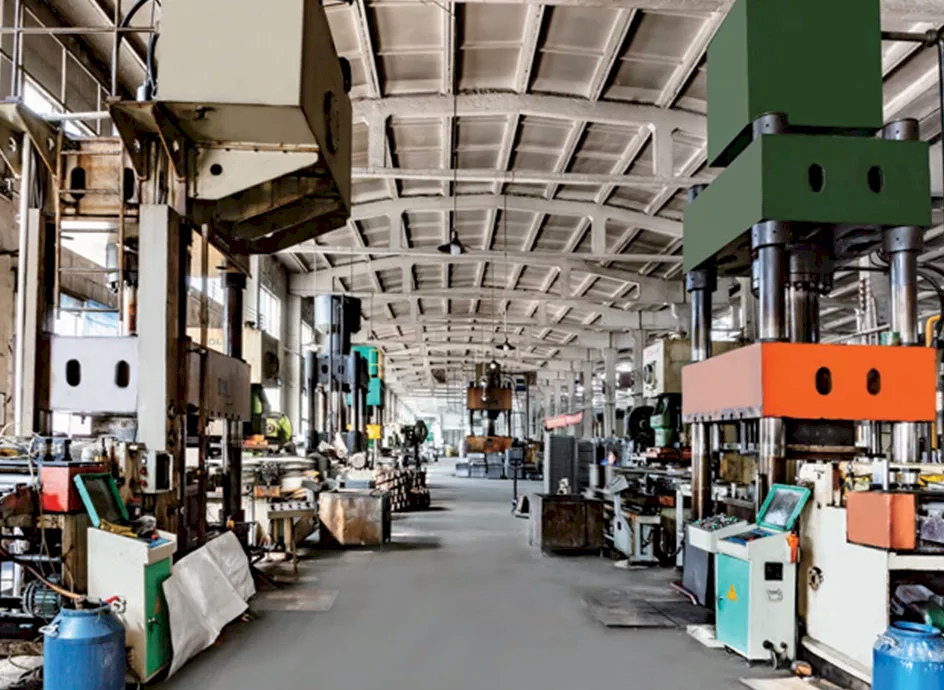
Raised access floors have become a standard feature in modern building design, particularly in offices, data centers, and other facilities where cabling, electrical wiring, and airflow must be managed efficiently.
This article examines the raised access floor manufacturing process, from panel construction and finishes to pedestals and stringers. It also highlights several established raised flooring manufacturers serving projects worldwide.
The Manufacturing Process of Raised Floor Systems
1. Design and Material Selection
The manufacturing process begins with system design and material selection. Raised access floor panels are commonly manufactured from steel, aluminum, calcium sulphate, or a wood core. The appropriate material depends on the intended application, load requirements, finished-floor height, environmental conditions, and required floor finish.
Steel access floor panels are widely used because of their durability and load-bearing capacity. They may be supplied with a bare surface or covered with high-pressure laminate, carpet tile, vinyl, rubber, or another finish.
Aluminum panels are lightweight and corrosion-resistant, making them suitable for clean rooms, laboratories, and environments with elevated humidity or contamination-control requirements.
Wood core panels, usually manufactured with high-density particleboard enclosed by galvanized steel, provide a balance of strength, acoustic performance, and cost-effectiveness.
Calcium sulphate panels provide a dense, noncombustible core and are frequently selected for projects that emphasize fire performance, acoustic control, dimensional stability, and sustainable materials.
2. Computer Floor Tile Manufacturing
After the materials and performance requirements are established, the raised floor panels are manufactured through a series of controlled processes:
- Cutting and Shaping: Raw materials are cut and formed to the required panel dimensions using precision equipment. The standard raised floor panel size in the United States is generally 24 by 24 inches. Metric markets commonly use 600-by-600-millimeter panels.
- Panel Forming: Steel sheets may be stamped, welded, and formed into panel shells. Aluminum panels are commonly cast or machined, depending on the system and performance requirements.
- Surface Treatment: Steel panels may be galvanized, painted, or otherwise treated to improve corrosion resistance. Aluminum panels may receive additional surface treatment when required by the application.
- Core Filling: Hollow steel panels may be filled with lightweight cementitious material to improve strength, acoustics, and fire performance. Wood core and calcium sulphate panels are enclosed or protected according to the manufacturer’s system design.
- Dimensional Inspection: Finished panel dimensions, flatness, squareness, and edge tolerances are checked to ensure that panels fit properly within the complete raised floor system.
3. Raised Floor Finishing and Coating
After the structural panel has been manufactured, a finish may be applied to improve durability, appearance, static-control performance, or resistance to wear.
Common finishes include high-pressure laminate, carpet tile, vinyl, rubber, and specialized static-control materials. The finishing process may include:
- Surface Preparation: The panel surface is cleaned and prepared to promote proper adhesion.
- Adhesive Application: An appropriate adhesive is applied to the panel or finish material.
- Laminating: The selected finish is bonded to the panel using controlled pressure and, when required, heat.
- Trimming: Excess finish material is removed to maintain the required panel dimensions.
- Edge Sealing or Trim: Panel edges may be sealed or fitted with edge trim to reduce moisture intrusion and protect the finish from damage.
4. Raised Floor Understructure Manufacturing
The raised floor understructure supports the floor panels and normally consists of adjustable pedestals, pedestal heads, base plates, and optional stringers.
- Pedestal Manufacturing: Pedestals are usually manufactured from galvanized or coated steel. A typical pedestal includes a base plate, vertical tube, threaded adjustment rod, locking nut, and head assembly.
- Base and Head Production: Base plates and pedestal heads are cut, stamped, drilled, and formed to match the required system configuration.
- Welding and Assembly: Pedestal components are welded or mechanically assembled using controlled production equipment.
- Stringer Production: Stringers are horizontal steel components that connect adjacent pedestals and provide lateral stability and additional panel support. They are cut, formed, drilled, and finished according to the system design.
- Corrosion Protection: Understructure components are galvanized, plated, or coated to protect against corrosion during transportation, installation, and service.
5. Assembly and Quality Control
The final manufacturing stage includes component verification and quality-control testing:
- Component Compatibility: Panels, pedestals, stringers, fasteners, and accessories are checked to confirm that they fit and function together as a complete system.
- Dimensional Testing: Components are inspected for proper size, flatness, squareness, and manufacturing tolerances.
- Load Testing: Panels and understructure may be tested for concentrated, uniform, rolling, ultimate, and impact-load performance.
- Fire Performance: Materials may be evaluated for flame spread, smoke development, combustibility, and other applicable fire-performance requirements.
- Electrical Performance: Static-control panels and finishes may be tested for electrical resistance and grounding performance.
- System Inspection: Manufacturers may assemble sample sections to confirm fit, stability, interchangeability, and overall system performance.
Leading Manufacturers of Raised Flooring
Several companies have established themselves within the global raised access floor industry through their product ranges, manufacturing capabilities, engineering resources, and experience. Manufacturer availability and product suitability vary by project location and application.
1. Kingspan Access Floors
Kingspan is a major international building-products company with established raised access flooring brands and manufacturing operations. Its access floor product offerings include multiple panel constructions, understructure configurations, finishes, and systems for offices, data centers, and other commercial environments.
Kingspan’s access flooring operations are known for engineered systems, technical support, and an emphasis on energy-efficient and sustainable building solutions.
2. Haworth
Haworth is an established commercial-interiors company known for adaptable workplace products and integrated interior solutions. Its raised flooring products have included steel, concrete-filled, and wood core panel configurations intended for modern offices and technology-driven environments.
System availability should be confirmed for the project location because product lines, manufacturing arrangements, and regional distribution can change.
3. ZT Floor
ZT Floor is an international raised access floor manufacturer with decades of manufacturing experience. Its product range includes steel cementitious panels, calcium sulphate panels, wood core systems, aluminum panels, understructure, airflow panels, and related accessories.
Contact Pro Access Floors for information about available ZT raised access floor products, specifications, pricing, and lead times.
4. Polygroup
Polygroup manufactures raised access flooring systems for offices, data centers, technical spaces, and other commercial applications. Its product offerings include various panel constructions, understructure systems, finishes, and accessories.
The company serves international markets and offers systems designed for different load, finish, airflow, and installation requirements.
5. Triumph Modular
Triumph Modular provides modular construction and interior-space solutions, including access flooring for applications requiring flexible power, data, and utility distribution.
Its systems are intended to support adaptable commercial spaces while reducing the disruption associated with future infrastructure changes.
Selecting a Raised Floor Manufacturer
Manufacturer recognition is only one factor when selecting a raised access floor system. The correct choice should also consider:
- Required finished-floor height
- Concentrated, rolling, uniform, and ultimate-load requirements
- Panel and understructure compatibility
- Seismic and lateral-bracing requirements
- Fire and smoke performance
- Electrical resistance or static-control requirements
- Airflow and cooling requirements
- Finish compatibility and replacement-panel availability
- Manufacturing lead times and transportation costs
- Availability of technical support and installation services
Specifications should be reviewed carefully because panel ratings and testing methods are not always directly comparable between manufacturers.
Conclusion
Raised access floors play an important role in modern building design by providing flexibility, organized cable management, accessible utilities, and improved airflow options.
The manufacturing process requires careful material selection, precision fabrication, appropriate finishing, dependable understructure production, and thorough quality-control testing. Each component must work as part of a complete system to provide the required strength, stability, accessibility, and service life.
Manufacturers such as Kingspan, Haworth, ZT Floor, Polygroup, and Triumph Modular offer systems for a range of commercial and technical applications. The right system should ultimately be selected according to the project’s performance requirements rather than the manufacturer’s name alone.
Understanding how raised floors are manufactured and evaluated allows architects, engineers, contractors, facility managers, and building owners to make better-informed decisions.
Explore DIY raised access floor kits from Pro Access Floors, or contact our team for assistance selecting materials and understructure for your project.