
Raised access flooring systems are an important component of modern buildings, providing accessible pathways for electrical wiring, data cables, airflow, and other building services.
To maintain safety, performance, and long-term reliability, raised floor systems require regular cleaning, inspection, and preventive maintenance.
This guide explains practical procedures for maintaining raised access flooring, addressing moisture and static electricity, checking airflow, troubleshooting common issues, and identifying when professional assistance is needed.
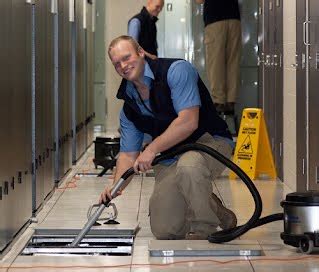
Understanding Raised Floor Systems
A raised access floor consists of removable modular panels supported by adjustable pedestals and, depending on the system, horizontal stringers. The space between the structural slab and the raised floor creates an accessible plenum for cables, electrical services, communications equipment, HVAC systems, and other utilities.
Because the panels are removable, facility personnel can reach underfloor services without demolishing permanent flooring. That accessibility is one of the system’s greatest advantages, but it also makes routine inspection and proper handling important.
Regular Cleaning and Inspection
The first step in maintaining a raised floor system is establishing a routine cleaning and inspection schedule. A written raised flooring maintenance plan can help facility managers document inspections, repairs, and replacement-panel requirements.
Clean the Floor Surface
Dust, dirt, and debris can accumulate on raised floor panels and enter joints, seams, cable openings, or airflow panels. Regular vacuuming and the use of an appropriate anti-static mop can help keep the finished surface clean.
Use cleaning products that are compatible with the panel finish and floor covering. Avoid excessive water, abrasive tools, and cleaning methods that could damage laminate, carpet tile, vinyl, or other finishes.
Inspect for Damaged Panels
Inspect floor panels regularly for cracks, chips, delamination, corrosion, warping, excessive deflection, or damaged edges. Panels that are unstable or visibly damaged should be removed from service and replaced with compatible products.
For replacement guidance, see this step-by-step guide to replacing raised floor panels.
Verify Pedestal Stability
Check that pedestals are stable, properly positioned, and supporting the panels as intended. Loose, displaced, or incorrectly adjusted pedestals can create an uneven surface, panel movement, noise, or a potential safety hazard.
Pedestal adjustments should be performed by qualified personnel familiar with the specific raised-floor system.
Review Cable Management
Periodically inspect the underfloor space to confirm that power and data cables are organized, supported, and clear of airflow paths. Cables should not be piled against pedestals, pinched beneath panels, or routed in a way that prevents safe panel removal.
Addressing Water and Moisture Issues
Water and moisture can damage raised-floor panels, pedestals, cabling, and the structural slab. Leaks, spills, condensation, and excessive humidity may contribute to corrosion, mold growth, staining, electrical problems, and loss of panel integrity.
Identify the Source
If water is discovered beneath or on top of the raised floor, identify the source immediately. Possible sources include plumbing leaks, HVAC condensation, roof leaks, sprinkler systems, exterior water intrusion, and cleaning procedures that use excessive liquid.
Clean Spills Promptly
Clean spills immediately and prevent liquid from entering panel joints, cable cutouts, outlets, airflow panels, or the underfloor plenum.
If water reaches electrical equipment or energized services, keep personnel clear and contact qualified electrical and facility professionals before attempting cleanup.
Inspect Seals and Gaskets
Where the system uses gaskets, seals, or specialized perimeter details, inspect them for deterioration or displacement. Replace damaged components with products approved for the specific flooring system.
Control Humidity
Maintain appropriate indoor humidity and temperature conditions for the building and its equipment. Humidity control can help reduce condensation, corrosion, mold risk, and static-electricity problems.
Preventing Static Electricity Buildup
Static electricity can damage sensitive electronic equipment and create operational problems in computer rooms, data centers, laboratories, and other technical environments.
Use Appropriate Static-Control Materials
Select conductive or static-dissipative floor panels, finishes, adhesives, and accessories when required by the project. The complete floor assembly should be evaluated rather than relying on one component alone.
Ground Equipment Properly
Ensure that equipment, cabinets, racks, and applicable flooring components are grounded according to the system manufacturer’s instructions and the project’s electrical requirements.
Grounding work should be performed or verified by a qualified electrical professional.
Monitor Environmental Conditions
Proper temperature and humidity control, suitable footwear policies, and compatible cleaning products can help reduce static-related risks.
Managing Airflow and HVAC Systems
Raised access floors are often used with underfloor air distribution systems to deliver conditioned air through floor diffusers, grilles, or perforated panels.
Assess Airflow Regularly
Inspect the underfloor plenum for debris, abandoned cables, packaging materials, or other obstructions that could interfere with airflow.
Check that airflow panels and grilles remain in their intended locations and that unused openings are sealed where appropriate.
Maintain Airflow Panels
Clean perforated panels, grilles, and diffusers according to the manufacturer’s instructions. Damaged or improperly installed airflow panels can change air distribution and contribute to hot or cold spots.
Maintain HVAC Filters
Clean or replace HVAC filters according to the equipment manufacturer’s maintenance schedule. Dirty filters can reduce airflow, increase energy consumption, and place additional strain on cooling equipment.
Protect Cable Openings
Use brush grommets, cable seals, and other approved accessories to limit air leakage around cable cutouts. Proper sealing helps maintain underfloor pressure and directs conditioned air through designated airflow panels.
Troubleshooting Common Raised-Floor Issues
Loose or Unstable Panels
Loose panels may result from damaged edges, displaced pedestals, incorrect panel placement, or debris beneath the panel. Remove the panel carefully, inspect the supporting components, clean the contact points, and replace damaged parts as required.
Uneven Floor Surface
An uneven floor may indicate incorrectly adjusted pedestals, slab irregularities, damaged panels, or movement in the understructure. Do not force panels into position. Have the system evaluated and leveled by qualified personnel.
Panel Noise
Clicking, squeaking, or rubbing noises may be caused by panel movement, loose supports, damaged edges, debris, or contact with adjacent construction. Identify the source before applying any lubricant, adhesive, or filler.
Damaged Cables
Replace damaged cables and determine why the damage occurred. Common causes include sharp panel edges, excessive loading, poor routing, water exposure, and cables being pinched beneath panels.
Corrosion
Corrosion may indicate moisture intrusion, condensation, incompatible cleaning chemicals, or prolonged exposure to high humidity. Correct the underlying cause and replace components that no longer meet structural or electrical requirements.
Professional Maintenance and Repairs
Routine inspections can identify many problems before they become serious, but complex repairs should be handled by experienced raised-floor technicians.
Professional assistance may be appropriate when:
- Multiple panels are loose, unstable, or damaged
- The floor has become noticeably uneven
- Pedestals or stringers require extensive adjustment
- Water has entered the plenum or affected electrical equipment
- Underfloor airflow has changed significantly
- Static-control testing does not meet project requirements
- The system requires replacement panels that are difficult to identify
- Structural, electrical, or fire-performance questions arise
Advantages of Proactive Maintenance
Extended Service Life
Regular cleaning, inspection, and timely repair reduce wear and help extend the service life of panels, pedestals, stringers, finishes, and accessories.
Lower Repair Costs
Preventive maintenance can identify small problems before they lead to widespread panel damage, cable failures, water damage, or major floor-system repairs.
Improved Performance
A well-maintained raised floor provides reliable access to cables and utilities while supporting proper airflow, equipment loading, and workspace flexibility.
Improved Safety
Stable panels, secure pedestals, organized cables, dry surfaces, and properly maintained airflow openings help reduce risks to occupants, technicians, and equipment.
Recommended Maintenance Schedule
| Task | Suggested Frequency |
|---|---|
| Surface cleaning | Daily or weekly, depending on traffic and environment |
| Visual panel inspection | Monthly or during scheduled facility inspections |
| Pedestal and understructure review | Quarterly or when movement is observed |
| Underfloor cable inspection | Quarterly and after major infrastructure changes |
| Moisture and plenum inspection | Quarterly and after leaks or HVAC events |
| Airflow assessment | At commissioning and after rack or HVAC changes |
| Professional system review | Annually or as required by the facility |
Conclusion
Proper maintenance and care are essential for the safety, performance, and longevity of raised access flooring systems. A routine program should include surface cleaning, panel inspections, pedestal checks, cable-management reviews, moisture control, static-control measures, and airflow maintenance.
Preventive maintenance can reduce repair costs, protect sensitive equipment, improve workplace safety, and preserve the flexibility that makes raised access flooring valuable.
With proactive care and qualified professional support when needed, raised access flooring can continue providing reliable infrastructure access for offices, data centers, computer rooms, and other modern commercial facilities.